TL;DR
- Elevator downtime is often caused by worn components, door malfunctions, electrical issues, deferred maintenance and aging systems.
- High-traffic buildings tend to experience more wear, especially when small issues are not addressed early.
- Preventing downtime starts with routine maintenance, fast response to warning signs and better tracking of repeat problems.
- Repeated outages may point to a larger reliability issue that repair alone won’t solve.
- In some cases, modernization is the most practical path to more reliable elevator performance.
The good news is that elevator downtime is rarely random. Most recurring outages trace back to a handful of known problems, from worn parts and door problems to electrical issues, deferred maintenance and aging equipment. When building owners and facility managers understand what causes elevator downtime, they can take steps to reduce breakdowns, improve reliability and make better long-term service decisions.
What Is Elevator Downtime?
Elevator downtime refers to any period when an elevator cannot be used as intended. That includes full breakdowns, temporary shutdowns for safety reasons, service interruptions caused by faults and periods when the elevator is unavailable during inspection or repair.
For building owners and managers, downtime affects more than convenience. It can impact tenant satisfaction, disrupt operations, delay access within the building and create added pressure when the elevator is needed for accessibility, patient movement or daily traffic flow.
What Causes Elevator Downtime?
Elevator downtime is often tied to maintenance-related problems, component wear and system aging, especially when smaller performance issues are left unresolved. Unresolved performance issues accelerate wear and increase outage frequency.
Some outages are caused by a single part failure. Others are the result of a larger pattern, such as repeated wear, outdated controls or a service approach that has become too reactive.
Common Mechanical and Electrical Issues Behind Elevator Breakdowns
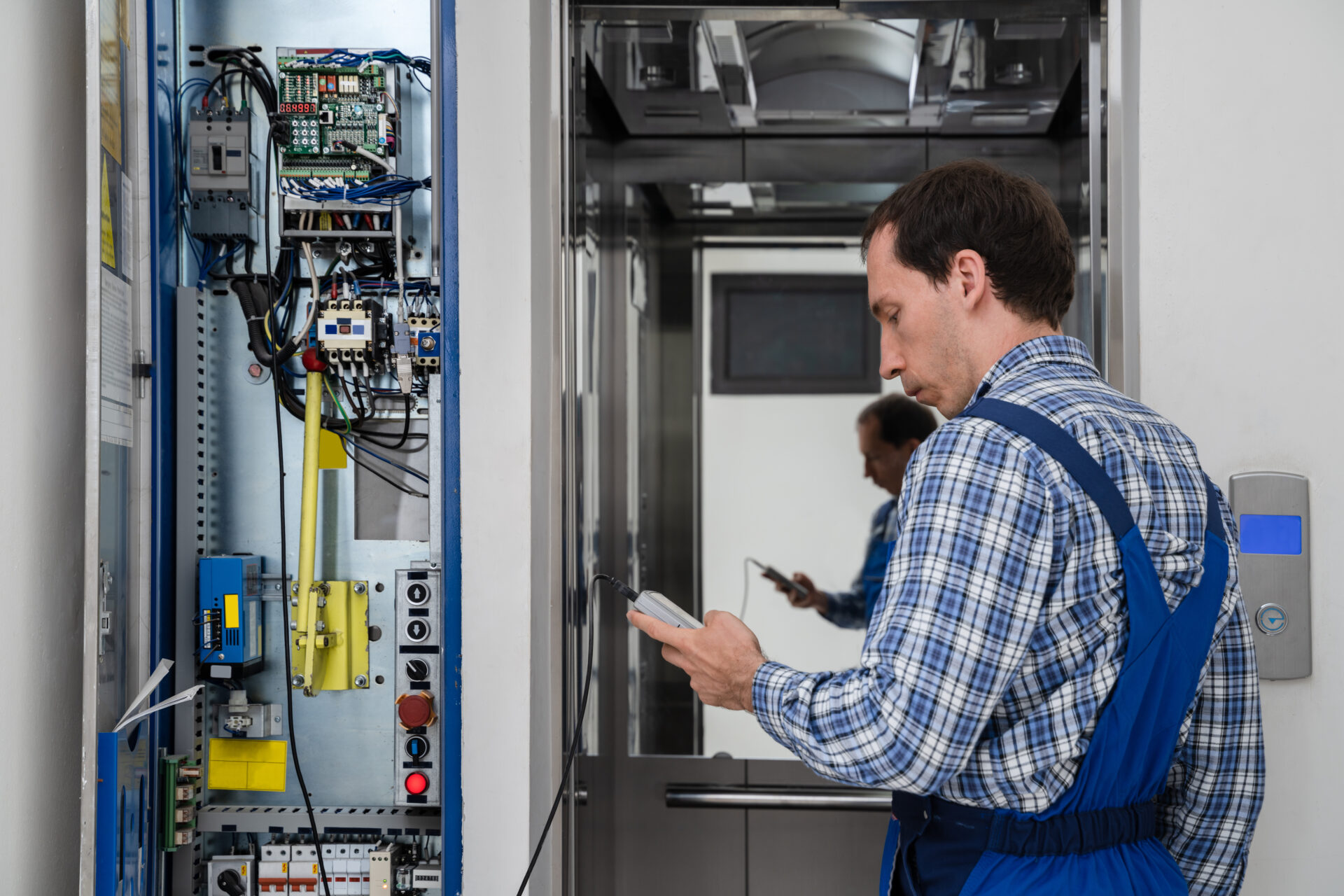
Elevators rely on many mechanical and electrical components working together in real time. When one part starts to fail, the system can quickly go out of service.
Common issues include:
- Worn cables, sheaves or motors
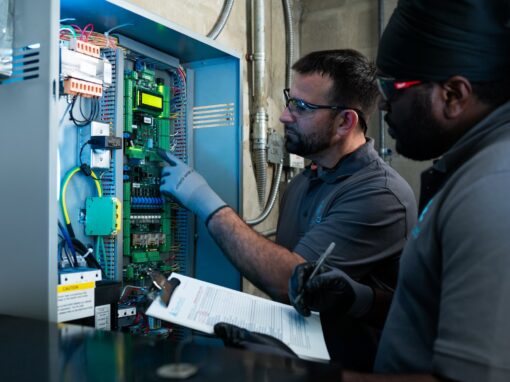
- Failing relays, controllers or circuit boards
- Damaged sensors or safety devices
- Overheating equipment
- Power quality issues or electrical interruptions
- Aging components that no longer perform consistently
Repeated stop-and-start use increases wear on critical parts. In high-use environments, even small components can have a major effect on system performance. A failing relay, faulty sensor or worn door roller may seem minor at first, but it can still trigger shutdowns, service calls and extended downtime.
Why Elevator Doors Cause So Many Out-of-Service Problems
Door issues are one of the most common causes of an elevator going out of service. That’s because elevator doors open and close constantly, and they depend on proper alignment, clean sensors and smooth mechanical movement to work correctly.
Common door-related problems include:
- Misaligned tracks
- Dirty or blocked sensors
- Damaged rollers or door operators
- Obstruction detection errors
- Repeated forced openings or rough use
When doors don’t open, close or re-level properly, the elevator may shut down as a safety precaution. Recurring door issues are often the first sign that elevator maintenance adjustments or component replacements are overdue.
How Deferred Maintenance Increases Elevator Downtime
Deferred maintenance is one of the clearest contributors to recurring elevator breakdowns. When inspections are delayed or worn parts aren’t replaced on time, small issues often turn into larger failures.
For example, a minor leveling issue, unusual vibration or inconsistent door performance may not take the elevator out of service right away. But over time, that same issue can place additional strain on connected components, increase elevator repair costs and lengthen the outage when failure finally happens.
Routine preventive service helps identify these problems early. It gives technicians the chance to correct wear patterns, replace aging parts and keep the system running more reliably before an emergency call becomes necessary.
Signs Your Elevator May Be Heading Toward a Breakdown
Elevators usually show warning signs before a major outage. Recognizing them early can help reduce both downtime and repair costs.
Watch for issues such as:
- Slow or jerky movement
- Unusual noises or vibration
- Doors sticking or reopening repeatedly
- Frequent resets or intermittent service interruptions
- Longer wait times
- Inconsistent leveling at landings
- Repeat service calls for the same problem
These issues don’t always mean a full breakdown is imminent. If they keep happening, treat them as a pattern, especially in older systems where one issue often signals others.
How to Prevent Elevator Downtime
The most effective way to reduce elevator downtime is to take a proactive approach to service and long-term planning.
That typically includes:
Routine preventive maintenance
Scheduled maintenance helps identify wear, performance issues and safety concerns before they lead to major outages. Industrial elevators may need more frequent maintenance to account for heavier loads and faster wear on critical components.
Fast response to minor issues
Catching a small fault early almost always means a shorter repair window and lower cost than waiting until it causes a full outage.
Tracking repeat problems
Service history can reveal whether the same issue is returning over and over, which may point to a deeper system problem.
Replacing aging components before failure
Critical parts don’t need to fully fail before they become a reliability risk.
Planning for modernization when needed
Older systems may continue to run, but frequent downtime can signal that repair is no longer the most efficient strategy. If repeated outages point to a larger reliability issue that repairs alone won’t solve, it may be time to explore an elevator renovation as a longer-term solution.
Encouraging early issue reporting
Building staff should know how to report unusual noises, leveling problems, slow response times or door malfunctions before the issue becomes more severe.
When Repeated Downtime Signals the Need for Modernization
Not every outage means your elevator needs to be modernized. But repeated downtime often signals that the system is becoming less reliable overall.
That is especially true when:
- The same components keep failing
- Parts are becoming difficult to source
- The controller or drive system is outdated
- Repair costs continue to rise
- Outages are becoming more frequent or harder to resolve
At that point, ongoing repairs may cost more — in time and money — than they’re worth. Elevator modernization can improve reliability, bring the system up to current safety requirements, and cut down on the disruptions that come with repeated outages.
For most building owners, modernization comes down to reliability, restoring consistent performance and getting more useful life out of the system.
What to Do When an Elevator Is Out of Service
When an elevator goes down, the immediate priority is safety and communication.
Here are the first steps building teams should take:
- Secure the area and clearly communicate that the elevator is out of service.
- Contact your elevator service provider as soon as possible.
- Document what happened, including any warning signs that occurred before the outage.
- Review whether the issue appears isolated or part of a recurring pattern.
- Use the incident to evaluate whether your current maintenance and repair strategy is still working.
If outages are happening more often, it may be time to move beyond one-off fixes and look at the system as a whole.
Reduce Elevator Downtime With Elevated Facility Services
Most elevator problems don’t appear out of nowhere — and that’s good news for building teams who stay ahead of them. In many buildings, recurring outages are tied to worn parts, door issues, electrical faults, deferred maintenance or aging equipment that is no longer performing reliably.
Preventing downtime starts with a proactive approach. Routine maintenance, faster response to warning signs, and tracking which problems keep coming back can all reduce breakdowns and keep the building running.
If your building is dealing with repeated elevator downtime, Elevated Facility Services can help identify the cause and recommend the right next step. Contact us today to start the conversation.
Frequently Asked Questions
Why is my elevator not working?
An elevator may stop working because of a door fault, worn mechanical part, electrical issue, control system problem or safety shutdown. The underlying cause can usually be identified through inspection and service history review.
What are the most common causes of an elevator being out of service?
The most common causes include door malfunctions, worn parts, electrical issues, deferred maintenance, sensor failures and aging equipment.
Can preventive maintenance reduce elevator downtime?
Yes. Preventive maintenance helps identify wear and performance issues before they cause larger outages, which can reduce breakdown frequency and improve reliability.
How often should elevators be inspected or serviced?
That depends on factors like elevator type, age, building traffic and operating environment. High-use buildings typically require closer and more frequent service attention.
When should an elevator be repaired versus modernized?
Repair may be the right choice for isolated issues or newer systems. Modernization becomes more worth considering when outages are recurring, parts are obsolete or repair costs keep increasing without improving reliability.