Hurricane season is a critical time for building safety and operational preparedness. Among the most vulnerable systems during a storm are elevators, which can suffer significant damage if not properly secured.
High winds and heavy rainfall can lead to water intrusion, power surges and electrical failures. If precautions aren’t taken, elevators can experience prolonged downtime or, worse, become hazardous to occupants.
There are practical steps building owners and facility managers can take to prepare their elevator systems before, during and after a tropical storm or hurricane. With a proactive plan in place, you can protect your equipment, reduce costly repairs and, most importantly, ensure the safety of those who rely on your elevators every day.
Why Hurricane Prep Matters for Elevators
Elevators are particularly susceptible to storm-related damage. Unlike other building systems, they occupy multiple levels, some of which are below ground or exposed to external entry points, making them vulnerable to both water intrusion and power instability.
Here’s what’s at risk if elevators aren’t properly prepared:
- Water damage: Flooding in pits, hoistways or machine rooms can lead to corrosion, short-circuits and long-term mechanical issues.
- Electrical failure: Power surges or outages during a storm can damage sensitive control systems or prevent proper shutoff.
- Passenger entrapment: If elevators remain in service during a storm, occupants may become trapped due to power loss or system failure.
- Extended downtime: Even minor water exposure can lead to days or weeks of downtime while equipment is inspected, dried out or replaced.
- Compliance violations: Failing to follow emergency preparedness protocols can lead to regulatory fines or insurance complications.
Hurricane preparation is about protecting lives and ensuring your building recovers quickly. Taking action before a storm hits gives you more control, reduces liability and helps avoid expensive emergency repairs when elevator service providers are overwhelmed.

Before the Storm: Secure Your Systems
Taking early steps to prepare your elevator systems can prevent serious damage and ensure a smoother recovery after the storm. Facility managers should follow these key precautions to protect equipment and prioritize safety:
- Seal machine rooms and hoistways: Inspect elevator machine rooms and hoistways for any vents, louvers or openings where water could enter. Seal or close these areas to prevent flooding and moisture damage.
- Protect exterior entrances: If any elevator doors open directly to the outdoors, place sandbags at the base to block water intrusion. Note: If sandbags block access, take the elevator out of service and communicate that status clearly.
- Test sump pumps and alarms: Confirm that sump pumps, float switches, and water intrusion alarms in elevator pits are fully operational. These systems play a crucial role in detecting and removing water before it causes major damage.
- Check backup power systems: If your building has a generator, ensure the elevator is properly connected and tested. This can help support safe shutdown procedures and prevent damage from an unstable power supply.
- Notify tenants and staff: Share shutdown plans with building occupants, including when elevators will be removed from service and who to contact for questions or support.
- Document current system status: Take photos and notes of the elevator equipment before the storm. This documentation can support insurance claims or repair assessments if damage occurs.
During the Storm: Prioritize Safety
Once a tropical storm or hurricane is underway, the focus should shift to minimizing risk. Leaving elevators in service during severe weather increases the chance of power failure, equipment damage and passenger entrapment. Taking the right steps during the storm is critical for both safety and system protection.
- Remove elevators from service: Shut down all elevator operations before severe weather reaches your area. This prevents entrapments due to sudden power loss or system failure.
- Park elevators correctly:
- Hydraulic elevators should be parked at the top floor to keep the cab above any potential flooding in the shaft.
- Traction elevators should be parked just below the top landing to protect both the elevator cab and counterweights from impact or misalignment.
- Shut down power at the source: Turn off the elevator system at the main breaker located inside the elevator machine room — not the building’s main electrical panel. This reduces the risk of electrical damage from power surges.
- Support ADA compliance: Notify tenants, residents or employees who rely on elevators for mobility that service is being suspended. Offer reasonable accommodations or alternative plans for those who may not be able to use stairs.
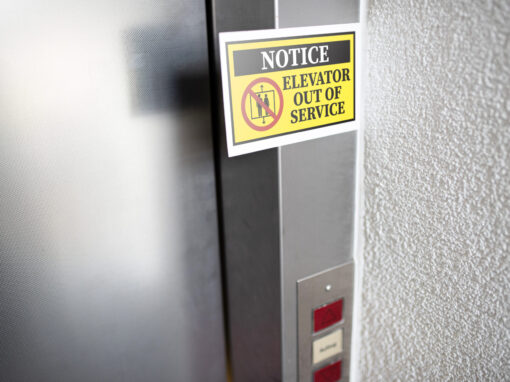
- Mark elevator areas clearly: Lock elevator access doors where possible or post visible signage indicating the system is out of service to prevent unauthorized use.
Taking these precautions helps protect both people and equipment during extreme weather and lays the groundwork for a safer, faster recovery once the storm passes.
After the Storm: Inspect and Restart With Caution
Once the storm has passed, it’s important to approach elevator recovery carefully. Rushing to restore service without a proper inspection can lead to further damage or unsafe operation. Use the following steps to assess conditions and resume service safely:
- Inspect all key areas for water intrusion: Check the elevator pit, cab interior, hoistway and machine room for any signs of standing water, leaks or moisture buildup. Even small amounts of water can damage sensitive components.
- Look for electrical damage or corrosion: Before restoring power, visually inspect control panels, wiring and motor components for any signs of electrical distress. Corrosion or scorch marks are signs of potential short circuits.
- Do not restart elevators without stable power: If your building still lacks power or is relying on an unstable generator connection, keep the elevator offline to avoid system damage or shutdowns.
- Call a licensed elevator technician: A qualified service provider should perform a full inspection before the elevator is placed back into service. They can verify the safety of the system, address any damage and reset key components properly.
- Document all damage: Take photos and notes of any visible damage or irregularities. This documentation is helpful for insurance purposes and gives your elevator service provider clear information for repair planning.
Safety should remain the top priority, even after the storm has passed. Taking the time to inspect and recover correctly helps avoid long-term issues and gets your building back to normal operation faster.
Working With a Trusted Elevator Service Provider
Elevator hurricane preparedness depends on having the right service team in place. You need a provider who understands regional risks and can respond quickly when conditions change.
Elevated supports building owners and facility managers at every stage of a storm, from pre-season system checks to post-storm inspections and repairs. Our technicians are trained to identify vulnerabilities and restore service with minimal downtime. We also offer proactive maintenance contracts that include emergency planning support. With regular service and system documentation in place, you’ll be better prepared to protect your elevators and respond confidently when a storm approaches.

Don’t Wait for the Storm — Prepare Now
Hurricane season is unpredictable, but your elevator preparedness doesn’t have to be. Taking the right steps today can prevent injuries, reduce damage and keep your building running safely when storms hit. From sealing hoistways to shutting down systems and inspecting for damage, every action you take ahead of time matters.
Elevated is here to help you stay ahead of storm season with expert service and trusted support. Contact us to learn more about our elevator maintenance plans tailored to your building’s needs.